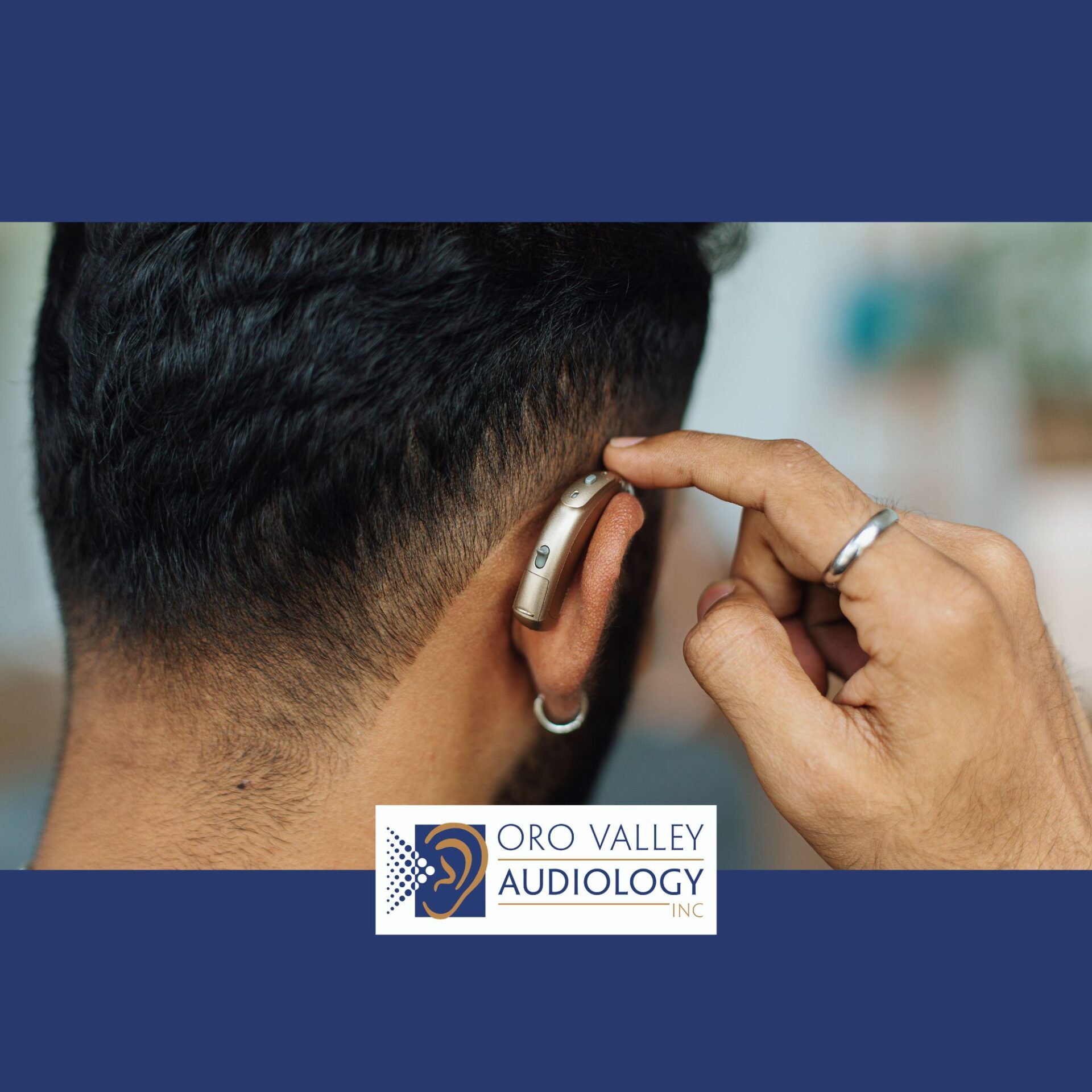
For hearing aids, how old is “too old”? When is it time to consider new aids, even if your current pair is working? These questions are tough to answer because there are no hard and fast rules on when it’s time to upgrade. Every patient is different in terms of hearing loss and listening lifestyle, which is why it’s so helpful to have an audiologist who can work with you to make this decision. This blog post will discuss some of the factors that audiologists keep in mind when discussing and recommending new hearing aids for patients who already wear them.
Listening lifestyle needs
Have you noticed a difference?
“I’ve noticed I’m not hearing as well in noise as I used to.”
This is a common complaint with many possible causes. If you notice this, the first thing to do is visit your hearing healthcare provider for a hearing aid check to ensure that the devices are working properly. If they are, it may be time for a hearing test. You could be having more trouble listening because your hearing loss has progressed, and the prescription in your hearing aids needs to be updated. If you find that your hearing loss hasn’t changed, however, consider the age of your hearing aids.
Technological advancement
Most hearing aid manufacturers release a new line (also called a generation) of aids every 2-3 years. Like smartphones, a new generation of aids will run on a more advanced computer chip than the previous generation. These changes are often small from generation to generation, but they add up as the years go by. These changes usually concern environmental adaptation and background noise suppression.
Modern hearing aids are capable of changing settings automatically based on your environment. The microphones pick up sound, and the computer inside the aids uses algorithms and/or artificial intelligence to determine how loud a situation is, how much noise there is (and where it’s coming from), how close your conversation partner is, and more. Engineers at hearing aid manufacturers work tirelessly to make these classification systems more accurate. Sound engineers and audiologists determine what hearing aid settings make for better listening in these different scenarios and program the aids accordingly. This work leads to improved performance from one generation of hearing aids to the next, especially in automatic programs that change based on the wearer’s environment. If you prefer not to manually adjust your hearing aids depending on your environment, the newest hearing aids will have the best automatic program for you.
More options for unique situations
Advancements in technology also provide your audiologist or hearing healthcare professional with more options to adjust your aids.
Are you somebody who hates hearing the refrigerator running or the A/C blowing? Or do you feel like they make a quiet environment feel more natural? In hearing aids from the most recent generations, the volume of soft environmental sounds can be raised or lowered without compromising overall sound quality. So, if you are somebody that has a nagging problem in certain listening situations (wind on the golf course is too loud, environmental noises only bother you in quiet environments, etc.) and the adjustments your audiologist has made don’t address the problem, consider the age of your hearing aids. If they are 5 years old or older, it may be time to consider purchasing a new pair.
This is especially true if you are having difficulties with streaming. One of the most quickly developing hearing aid features is streaming capability and integrity. If you are someone that listens to audiobooks, makes frequent phone calls, or attends Zoom meetings, new hearing aids are worth the investment if your current pair has an unreliable connection to your other devices or poor sound quality when streaming.
Is it time?
If your hearing care professional has determined that your hearing aids are still providing enough amplification to meet your needs, you don’t need to upgrade. But as technology advances, nagging problems with specific hearing aid settings or streaming capabilities could be addressed with new devices. But keep your expectations realistic; new hearing aids can’t block 100% of unwanted background noise, and they can’t make all speech completely clear. Talk to your hearing care professional or schedule a hearing aid consultation with one of our doctors at Oro Valley Audiology if you would like to discuss your lifestyle needs, what you want to get out of hearing aids, and what options are available to you.